Friday, 13 December 2013

Colorado Springs Dentists Explain the Disadvantages of Dentures

This article examines the problems associated with traditional removable dentures and why modern dental implant procedures offer a much better solution to tooth loss.


For years, centuries even, the technology used to replace a mouth full of failing and/or missing teeth was a set of removable artificial teeth. These teeth or dentures were bulky, rested on the gums and relied on their mass and the support of the soft tissue-covered jawbone ridge to remain in the mouth. The result was a technology that enabled patients to eat and speak to a degree, but that came hand-in-hand with a slew of challenges. In this article, Colorado Springs dentists will be explaining to us just why traditional removable dentures should be a technology of the past and why patients who need new teeth should be opting for dental implants.

Denture Downfalls


Colorado Springs Dentists
“One of the biggest problems with dentures is that they rest on the gums, which means that every time you bite down on food, that pressure gets transferred directly to the gums,” explain Colorado Springs dentist. “This might not initially feel too uncomfortable, but after months of the same abuse, the gums can become painful and inflamed. Nasty sores can develop as well and patients find themselves changing their diet to provide relief to their gums.”

The gums are not built to sustain such pressures, which is why dentures tend to cause Colorado Springs residents so much discomfort. But this isn’t where denture problems begin and end. Colorado Springs dentists have received the following common complaints from patient who have had teeth replaced with this archaic method:

  • Dentures slip around and can fall out,
  • Dentures can have a devastating impact upon self-esteem and social confidence,
  • They don’t look or feel natural,
  • Patients with dentures struggle to manage a wide variety of foods,
  • Dentures do not maintain a healthy jawbone
  • Dentures are a hassle to clean and maintain. They need to be taken out after every meal and at nighttime for careful cleaning.
  • They require repeat expenses, such as overnight soaking solutions, anesthetic gels, storage containers and adhesive strips,
  • Dentures can harbor food and bacteria, leading to “denture halitosis”,
  • Dentures require frequent refitting, so Colorado Springs residents are constantly spending money on their replacement teeth.

All of these challenges aside, what comes as the biggest shock is the fact that wearing dentures can shorten Colorado Springs residents’ life expectancy by a staggering 10 years!
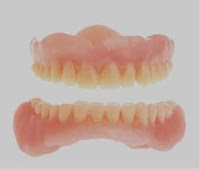
“Over time, bite functionality deteriorates as jaw bone volume is lost to atrophy,” explain Colorado Springs dentists. “Consequently, patients are able to manage less and less food at mealtimes. What used to be a pleasure is now a battle with uncomfortable, loose teeth and extremely tender gums. The result of all this is malnourishment. Eventually, a patient’s jawbone can deteriorate to the point where they can only bite down with 6% of the force of a natural, healthy bite. A lack of proper nutrition can shorten life expectancy quite considerably.”

What’s the Alternative?


Dentures
The fact is dentures simply don’t offer Colorado Springs residents the functionality, aesthetics and comfort that the modern alternative, dental implants, do. And yet, patients still choose dentures as their teeth replacement solution, allowing a concern for cost to take center stage in the decision making process. Dental implants are a far more sophisticated, comfortable, functional, aesthetic and long-lasting solution to rampant tooth loss and edentulism (not having any natural teeth). They’re also more cost effective in the long run, so speak to your Colorado Springs dentist about your teeth replacement options and ditch the dentures!


Sunday, 8 December 2013

Frequently Asked Questions about Teeth Whitening in Pueblo CO

This article tackles some of the questions patients frequently ask cosmetic dentists about teeth whitening as a solution to dulled and discolored teeth.


FAQ: Why do teeth become stained?


Teeth Whitening
Answer: Under the microscope, you’ll see that the enamel covering your teeth contains legions of tiny pores. Over the years and with repeated exposure to the tannins and dark pigments in the foods and beverages we eat and drink, the enamel can become stained and darker. Habits such as smoking and tobacco chewing contribute significantly. This is a gradual process that can be combated with a quick, easy and inexpensive teeth whitening treatment in Pueblo CO.

FAQ: How does a teeth whitening treatment work?


Answer: There are a variety of teeth whitening methods used by Pueblo CO dentists, but the most popular one is bleaching. This involves the exposure of the dental enamel to a special whitening gel that contains the bleaching agent, hydrogen peroxide. With time and repeated exposure, bleaching lightens the shade of the dental enamel, making it look whiter and more beautiful.

Dosages vary, but it’s usually administered via a customized mouth tray, which is lined with the special bleaching gel. This is worn for one or two hours every day for one to two weeks, or until the desired level of whiteness has been achieved. Dentists in Pueblo CO will advise you accordingly.

FAQ: What’s the advantage of getting teeth whitening done professionally when there are so many over-the counter products available?


Answer: It’s true; many toothpastes and mouthwashes come with a tiny concentration of bleaching agent, which help to keep your teeth glisteningly white. However, it is required by law that the concentration of bleach in over-the-counter products is severely restricted. While these products offer a great way to maintain a white smile, getting there is better and more efficiently achieved with a professional in-office teeth whitening treatment in Pueblo CO. With the supervision of a trained dentist, the products used can contain a greater concentration of bleaching agent, which means that you’ll achieve better, more natural results, faster.

FAQ: Is there a limit on how frequently I can have my teeth whitened?


Dentists in Pueblo CO
Answer: With professional teeth whitening, you should only need to go for treatment once to enjoy results that last at least a few years. If you are a serious coffee drinker and/or a smoker, you may need to come in more frequently. Dentists in Pueblo CO will advise patients accordingly as to what treatment frequency is safe. If you are not happy with the results of bleaching and if your teeth still look discolored and stained, you may want to consider an alternative cosmetic procedure. Dental veneers offer a fantastic aesthetic solution to teeth that have sustained the kind of deep staining that a bleaching cannot remove.

FAQ: Is teeth whitening bad for my teeth?


Answer: If performed by a trained and experienced teeth whitening professional in Pueblo CO and if you adhere closely to his or her recommendations, this treatment is entirely safe. If, however, you use too much of the bleaching gel and for too long, you can risk alkaline burns to your gums. A fairly common side effect of teeth bleaching is tooth sensitivity, but this can be combated with special toothpaste for sensitive teeth. Speak to your dentist if you have noticed anything out of the ordinary during the course of your teeth whitening treatment.

Sunday, 1 December 2013

Colorado Springs Dentists on the Wonders of Teeth Whitening

This article provides a brief overview of teeth whitening, how it works and what the treatment involves.


Coffee, tea, red wine, blueberries, cola, balsamic vinegar, soy and curry sauces, sports energy drinks and certain candy… the list goes on. There is a plethora of foods and beverages that contain pigments and tannins that seep into the tiny pores of our dental enamel, making our teeth appear darker and not-so pearly white. This discoloration can typically be removed with a swift brushing, but over the years, the staining accumulates at a level that toothbrushing becomes ineffectual. The result is a dulled and unaesthetic smile.

Prestige Dental Implant Center
The great news is that many Colorado Springs dentists offer teeth whitening as a quick, simple and inexpensive treatment for patients who would like to put the glint back into their grin!

How Does Teeth Whitening Work?


“Teeth whitening treatment involves the repeat exposure of the outer surfaces of the teeth to a bleaching agent, such as hydrogen peroxide,” explain Colorado Springs dentists. “This serves to whiten the dental enamel, making the teeth appear a few shades lighter than before, which can totally change the appearance of one’s smile.”

Teeth whitening is generally recommended to Colorado Springs residents whose teeth have become discolored by various staining foods and beverages over the years. What this treatment cannot eliminate is deep staining caused by certain medications and conditions such as fluorosis (over-exposure to fluoride during one’s formative years.)

“Teeth whitening is a cosmetic treatment only,” explain Colorado Springs dentists. “We are always sure to diagnose the cause of dental discoloration prior to putting together a whitening kit for patients. There’s no sense in bleaching teeth that have become discolored as a result of decay because the origin of said discoloration is internal and will simply persist to the point of tooth loss if left unaddressed.”

What Does Treatment Involve?


Teeth whitening is incredibly simple and easy to do. If you’ve noticed your teeth looking a little dulled and discolored, it can make a big difference and a huge cosmetic improvement without looking unnatural. Next time you go to your Colorado Springs dentist for a check-up and cleaning, ask him or her to prepare a teeth whitening kit for you.

You will have a mold made of your teeth, which will be used to custom fabricate a mouth tray for you. Some Colorado Springs teeth whitening offices can get this done on the same day as your appointment if you wait around for half an hour. Others will require that you return the next day for collection.

Your teeth whitening kit will consist of your customized mouth tray and a special whitening gel that contains a percentage of carbamide peroxide (the bleaching agent). You line the tray with this gel so that it is evenly distributed and will make contact with every surface of your dentition, from the front incisors to the back molars. You then press this tray against your teeth and bite down gently.
Colorado Springs Teeth Whitening

“We generally recommend that patients wear these trays for an hour or two, once a day, for one to two weeks,” say Colorado Springs dentists. “The exact length of treatment depends upon the degree of discoloration and staining and the results a patient wishes to see.”

Every day, the shade of your teeth will lighten until, once the desired level of whitening has been achieved, you can cease treatment. And that’s really all there is to it! Quick, simple and inexpensive!

Monday, 25 November 2013

Dental Implants Specialists in Pueblo CO Discuss the 12 Most Common Mouth Problems, PART 3

This three-part article series provides an explanation of the most common oral conditions, ailments and diseases that affect Americans today, from cold sores to gum disease.


Colorado Springs Dentist
Welcome back to our three-part article series on the 12 most common oral ailments, conditions and diseases. Over the course of the first two article posts, professionals of dental implants in Pueblo CO have explained the following 8 problems to us:

1. Cold sores or fever blisters
2. Oral thrush
3. Black hairy tongue
4. Canker sores or apthuous ulcers
5. Leukoplakia
6. Oral cancer
7. Temporomandibular joint disorders
8. Chipped teeth

We still have another 4 to go, so let’s wrap this series up!

9. Top Oral Problems: Gum Disease


With close to 80% of American adults presenting with some form or stage of gum disease, this oral ailment is a pervasive problem that is actually very easily prevented. “Gum disease is a bacterial infection of the gums caused by poor oral hygiene, a lack of professional attention and bad habits such as tobacco use, excessive drinking and drug abuse,” says an oral surgeon in Colorado Springs.

“Periodontitis, or gum disease, is caused by bacteria that have migrated deep down into the tight spaces between the teeth and the gums where they form pockets of infection. The acids produced by the bacteria corrode the tooth roots, break down the structures and ligaments that keep the teeth in the jaw and deteriorate bone health, which is why gum disease causes tooth loss.”

Timely treatment is essential because gum disease has been linked with several other whole-body ailments, including diabetes, stroke, cardiovascular disease, Alzheimer’s and respiratory disease.

10. Top Oral Problems: Aspirin Burn


Oral Surgeon in Colorado Springs
It’s a common old wives tale… tucking an aspirin in your cheek against a painful tooth is a sure fire way to get rid of a toothache. Well, according to dental implants specialists in Pueblo CO, it’s actually a sure fire way to damage your tooth and the surrounding soft tissue!  “Aspirin is acidic, which softens dental enamel and makes it more vulnerable to erosion. It also irritates and inflames your gums and can even burn a rough lesion into your cheek.”

Does it at least get rid of the toothache?

“No, aspirin blocks the transmission of pain signals to the brain and needs to be ingested. It doesn’t work when applied topically, so you’re wasting your time and doing unnecessary damage to your mouth,” says an oral surgeon in Colorado Springs.

11. Top Oral Problems: Tooth Decay and Oral Abscesses


Poor oral hygiene causes all sorts of nasty problems and oral ailments. A diet high in sugar and habits such as tobacco use, drug abuse and excessive drinking can also mess up the health of your teeth and gums. “Dental cavities, tooth discoloration and abscesses are all linked with a sloppy oral hygiene routine, which is essential for preventing infection,” say dental implants specialists in Pueblo CO. “Never ignore persistent tooth aches, gum inflammation and swelling as it might be a sign of serious infection, which can easily enter the bloodstream.”

12. Top Oral Problems: Bad Breath


Bad oral hygiene also leads to that greatest of social deterrents… bad breath. “Halitosis is caused by the unchecked accumulation of oral bacteria and food debris at the gum line, in, on and between your teeth and on your tongue. Brushing your teeth twice a day simply isn’t enough to keep your breath fresh. You should be brushing two to three times a day for at least two minutes at a time and make sure to floss before you go to bed at night. You also might want to incorporate an anti-bacterial mouthwash into your routine,” advises an oral surgeon in Colorado Springs. “Drink plenty of water; see your dentist and oral hygienist regularly and you should be able to keep your breath (and teeth) in beautiful minty condition.”

Wednesday, 20 November 2013

Colorado Springs Dental Implants Specialists Discuss the 12 Most Common Mouth Problems, PART 2

This three-part article series provides an explanation of the most common oral conditions, ailments and diseases that affect Americans today, from cold sores to gum disease.


Welcome back to our three-part article series on the 12 most common oral ailments, conditions and diseases. In our previous article post, the first installment of the series, Colorado Springs dental implants specialists explained the following four problems to us:

1. Cold sores or fever blisters
2. Oral thrush
3. Black hairy tongue
4. Canker sores or apthuous ulcers

We still have another 8 to go, so let’s jump right in!

5. Top Oral Problems: Leukoplakia


Colorado Springs Dental Implants Leukoplakia is a whitish patch or plaque that forms in the mouth and can be scraped off. It generally forms in reaction to an irritation, such as tobacco (smoked or smokeless), alcohol, rough teeth or dentures that don’t fit well. These patches are completely painless and can be treated by removing the cause of irritation. Having said that, persistent leukoplakia can be a sign of cancer, so you should see your Pueblo dentist CO for a proper diagnosis if you present with this problem.

6. Top Oral Problems: Oral Cancer


“Oral cancer is a major problem that, if not diagnosed and treated in its early stages, can be fatal,” warn Colorado Springs dental implants specialists. “It appears as a persistent mouth sore that doesn’t heal. Patients may also experience strange and unexplained numbness in the neck, mouth or face. The causes of oral cancer include a family history, smoking and chewing tobacco, repeated exposure to the sun and excessive drinking. Recent medical research has linked oral cancer with HPV (human papillomavirus), so make sure you see your dentist for regular preventative check-ups!”

7. Top Oral Problems: Temporomandibular Joint Disorders (TMJ)


TMJ disorders are characterized by a disharmony between the articulating joint in the jawbone and the intra-articular disk and surrounding muscles. This can result in stiffness of the joint, inflammation and painful facial muscles. “TMJ can cause acute discomfort for patients,” says the Pueblo dentist CO. “It’s usually associated with teeth grinding, jaw clenching or trauma received to the head, neck or face. It can be very painful and the pain associated with this condition can refer to the head and neck, causing terrible headaches that can leave patients dizzy and nauseous. Extreme cases of TMJ may require surgery, but generally, treatment measures such as mouth-guards, periods of rest and pain-killers are sufficient.”

8. Top Oral Problems: Chipped Teeth


Pueblo Dentist CO Our teeth are made from the hardest substance in our bodies and yet they are not invulnerable. We tend to forget this when we do stupid things like use them as tools for punishing tasks, such as chewing ice, forcing open containers, tearing packaging and grinding them. “These tasks and habits can cause the enamel of the teeth to become chipped or worn down, exposing the softer and more vulnerable dentine underneath,” say Colorado Springs dental implants specialists.

“There is a number of restorative treatments Pueblo dentists can provide to protect damaged and worn teeth. These include bonding, porcelain veneers or even crowns for teeth that have sustained considerable damage or decay.”

Stay Tuned for Part 3


To read more about the various problems and ailments that affect the oral cavity, stay tuned for the final installment of this three-part article series.

Thursday, 7 November 2013

Pueblo Dental Implants Specialists Discuss the 12 Most Common Mouth Problems, PART 1

This three-part article series provides an explanation of the most common oral conditions, ailments and diseases that affect Americans today, from cold sores to gum disease.


Your mouth is incredibly important. Just think of all the things you use it for: eating, speaking, breathing, smiling, conveying emotion and communication (verbal and non-verbal). So, when something goes wrong with our mouths, it can be incredibly hard to ignore! Unfortunately, there are a great number of things that can go wrong, from ulcers and sores to infection and inflammation. What’s important is that you know what to look out for and when to know it’s time to seek professional help.

To facilitate this education, we spoke to some Pueblo dental implants specialists who put their heads together to identify the 12 most common mouth problems. In this 3-part article series, we shall be exploring these ailments.

1. Top Oral Problems: Cold Sores or Fever Blisters


Pueblo Dental Implants
Cold sores are raised, inflamed and painful sores that form on your lips, around your mouth or inside the mouth. They are caused by the Herpes Simplex virus that is transmitted via close contact, usually from a kiss or by drinking out of the same glass as someone who is infected. “While there are medications available for the alleviation of discomfort and hastened healing of cold sores, or fever blisters, there is no absolute cure,” say Colorado Springs family dentists.

2. Top Oral Problems: Oral Thrush


“Thrush is an incredibly unpleasant oral condition that presents most commonly in elderly people or babies,” says a Pueblo dental implants specialist. “It’s a yeast infection that coats the back of the tongue and throat with a white, sticky growth. Thrush is usually associated with a compromised immune system, certain medications (for example, inhaled corticosteroids), diabetes and antibiotics. Many patients make the mistake of trying to wipe away the white patches, but this only leads to pain and discomfort. See your dentist for a proper diagnosis and treatment.”

3. Top Oral Problems: Black Hairy Tongue


It may be painless, but this oral problem is as unpleasant as it sounds: for you and for those around you! Black hairy tongue is caused by the unchecked growth of the taste buds covering your tongue. Food and bacteria are easily trapped in the tangle of elongated taste buds, resulting in the darkened appearance of the tongue and persistent bad breath. The long taste buds can also make the tongue appear hairy, hence the name of the condition.

Colorado Springs Family Dentists “Black hairy tongue is caused by poor oral hygiene, antibiotics, tobacco-use and medications that cause dry mouth,” say Colorado Springs family dentists. “Thankfully, it can almost always be treated with good oral hygiene and a tongue scraper.”

4. Top Oral Problems: Canker Sores


“Canker sores or apthuous ulcers are quite a nuisance and we’re not entirely sure what causes them to form,” say Pueblo dental implants specialists. “They’re small blisters that form on the soft tissues on the mouth, usually on the buccal lining (inner cheeks) or tongue and are very painful. They usually disappear after a week or so, but if they persist, there are some treatment options available that include anesthetic ointments or even dental laser therapy.”

Stay Tuned for Part 2

To read more about the various problems and ailments that affect the oral cavity, stay tuned for the second installment of this three-part article series.

Monday, 28 October 2013

A Secret To A Celebrity Smile From Your Cosmetic Dentist in Colorado Springs

This article explains what veneers are, how they are attached to your natural teeth and how patients must care for them.


How many times have you looked in the mirror and thought, “I wish I was born with better-looking teeth?” And magazines add to this problem by showing picture upon picture of ridiculously good-looking celebrities flashing the smiles of perfection.

Now I know you have definitely found yourself wondering how on Earth these celebrities look so perfect. I mean, it can’t all be genetic, right? Right. It isn’t. These starlit wonders have special little secrets and a very close relationship with the cosmetic dentist in Colorado Springs.

Even better news… we are going to tell you all about these special secrets in the article that follows.

You Mean Those Aren’t Really Their Teeth?

Veneers Colorado Springs
Yup. It is possible that some of those superstar smiles are simply a result of good genes; however, in most cases you’ll find that those perfect teeth are actually thanks to the wonderful work of porcelain veneers Colorado Springs. A cosmetic dentist in Colorado Springs says that porcelain veneers can take cracked, badly stained or uneven teeth and makes them appear beautifully straight and white with just two appointments.

Do These Replace Your Teeth?

No they don’t. Porcelain veneers are very thin ‘coverings’ or shells made from an extremely durable ceramic material that are fixed onto the front surface of your natural teeth. During your first consultation with your cosmetic dentist in Colorado Springs, a mold is taken of your teeth. This mold is then sent off to the labs where they custom design a veneer or veneers, the shape and color of which will be perfectly suited to the tooth or teeth requiring restoration.

On your next visit to your dentist, the veneers are put into place. During this appointment the dentist removes a thin layer of enamel from the specified teeth. This creates space for the ceramic shell to fit over your tooth/teeth. A thin layer of strong dental cement is then spread over the tooth/teeth and the veneer is put in place. Once your veneers are in position, the cosmetic dentist in Colorado Springs places a special light over the restored tooth, which will dry the cement. This will lock the veneers in place and enable you to eat and smile with confidence and without worrying about damaging or chipping your beautiful new teeth.

How Long Will My Teeth Stay Looking Great?

BrushingWith proper care and oral hygiene, dental veneers can last five to ten years, after which they may need to be replaced. No special care is required for your veneers; you can continue looking after your teeth as you did before by brushing twice a day, flossing and popping in to your cosmetic dentist in Colorado Springs for your usual check-ups and cleaning.

So Now I Know the Secret?

Indeed you do! With a couple of visits to your cosmetic dentist in Colorado Springs you could spend your days smiling like George Clooney or Scarlett Johansson. You will no longer find yourself looking in the mirror and wishing away your genes. Instead, you’ll be smiling openly and without embarrassment.